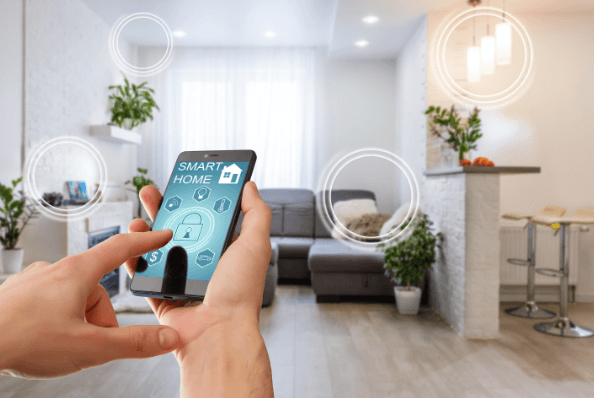
Smart devices coordinate tasks, data, and preferences across daily routines, revealing patterns that support autonomy rather than dictate it. They tailor lighting, climate, and ambiance to reduce decision fatigue while preserving user control. Continuous feedback, proactive alerts, and maintenance insights address safety, energy use, and wellness in tangible ways. Choosing devices with clear needs, compatibility, and app interoperability matters for a smooth, autonomous automation experience—yet the practical tradeoffs and limitations invite closer examination.
How Smart Devices Transform Daily Routines
Smart devices streamline daily routines by seamlessly coordinating tasks, data, and preferences across multiple activities. They reveal patterns in behavior, enabling targeted adjustments that reduce friction without sacrificing autonomy. The result is clearer sequencing and faster decision-making, fostering rhythm optimization and habit formation. This clarity supports freedom-driven living, where automation complements choice rather than replacing it, enhancing overall efficiency.
Smart Home Comfort: Personalization That Saves Time
Personalization in smart homes translates data-driven preferences into time-saving, targeted comfort adjustments. Systems learn routines, anticipate needs, and tune lighting, climate, and ambience without direct input. This yields personalized comfort while reducing decision fatigue, freeing residents to focus on meaningful activities.
Subtle refinements, from scheduling to adaptive scenes, deliver time savings through proactive, transparent automation that feels intuitive and unobtrusive.
Safety, Energy, and Wellness: Real-World Benefits
The integration of smart devices yields tangible benefits across safety, energy management, and wellness by transforming raw data into actionable insights. Real-world systems translate alerts into rapid responses, enabling proactive safety steps and timely maintenance. Security upgrades and energy monitoring become continuous feedback loops, reducing risk, cutting waste, and supporting autonomous health routines while preserving individual autonomy in daily decisions.
Choosing and Using Smart Devices: Tips for Smarter Living
Choosing and using smart devices hinges on clarity about needs, compatibility, and value.
The discussion analyzes decision criteria, highlighting setup optimization and app interoperability as core ideas.
A disciplined approach reduces waste, elevates automation, and respects user autonomy.
Frequently Asked Questions
How Do Smart Devices Protect My Privacy and Data?
Smart devices mitigate privacy risks through encryption, regular updates, and user controls, but effective protection hinges on data minimization, limiting collected information to essential use. They emphasize transparency, audit trails, and clear consent to empower freedom-respecting choices.
Can Smart Devices Operate Without Wi-Fi or Internet?
Yes, some smart devices offer offline functionality, though capabilities vary; most rely on Wi‑Fi for full features. In offline mode, limited commands and local processing may work, preserving autonomy while preserving basic usefulness without constant internet access.
Are Smart Devices Accessible for People With Disabilities?
Smart devices can be accessible for people with disabilities, depending on design; disability inclusion and accessibility features matter. They offer adaptable interfaces, voice control, and assistive compatibilities, supporting independence while balancing privacy and user freedom.
What Are the Total Costs Beyond the Purchase Price?
Costs beyond purchase price and long term maintenance shape total ownership, the analysis reveals. A detached perspective notes ongoing expenses—repairs, software updates, replacements, energy use—impact budgeting, user independence, and freedom, emphasizing prudent selection and lifecycle planning.
See also: The Benefits of Digital Transformation in Retail
How Do I Troubleshoot Compatibility Issues Between Devices?
Coincidence marks their start as the user encounters synced devices; troubleshooting reveals that seamless integration hinges on consistent firmware updates, cross-compatibility checks, and reset strategies, enabling ongoing performance while system logs guide analytical, freedom-loving users toward solutions.
Conclusion
Smart devices reshape daily routines by learning preferences and automating routine tasks, from lighting to climate control. The result is a subtle but meaningful shift: time saved on decisions compounds into steadier comfort and fewer interruptions. A striking statistic highlights this impact: households using smart automation report up to a 20% reduction in energy waste, underscoring efficiency alongside personalization. The key takeaway is that thoughtful compatibility and clear needs foster autonomous, beneficial living rather than intrusive surveillance or complexity.