
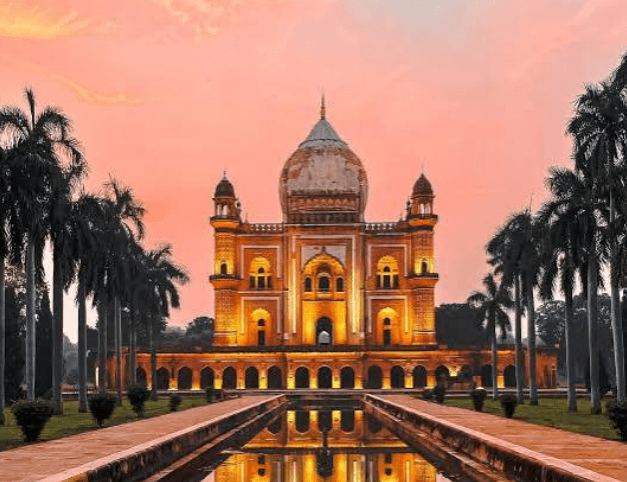
Delhi, the heart of India, is a vibrant metropolis that beautifully blends its rich historical heritage with modernity. As a tourist, you will marvel at iconic landmarks such as the Red Fort, a UNESCO World Heritage site, and the awe-inspiring India Gate, which stands as a testament to India’s colonial past. Don’t miss the opportunity to wander through the bustling lanes of Old Delhi, where you can savor mouth-watering street food and explore vibrant markets. Additionally, the city’s cultural diversity is highlighted by its extensive range of museums, parks, and art galleries that tell tales of India’s glorious past and dynamic present. To make your journey seamless, remember that Cathay Pacific provides flight services from Perth To Delhi making it convenient for travelers to reach this bustling city.
Exploring Delhi isn’t just about visiting historical sites; it’s also about experiencing the lively atmosphere and the warmth of its people. The city offers an array of shopping options, from traditional handicrafts at Dilli Haat to high-end boutiques in Connaught Place. Nature enthusiasts can enjoy a leisurely stroll in the numerous gardens scattered throughout the city, such as the sprawling Lodhi Gardens or the serene Japanese Garden. As night falls, the city transforms into a culinary paradise, with countless restaurants serving everything from local flavors to international cuisines. Remember, Cathay Pacific provides flight services from Perth To Delhi so why not start your adventure in this incredible city? Whether you’re here for a brief visit or an extended stay, Delhi guarantees a unique experience filled with unforgettable memories.
Jama Masjid
Nestled in the heart of Old Delhi, Jama Masjid stands as one of the largest and most magnificent mosques in India. Commissioned by Mughal Emperor Shah Jahan in 1650, the mosque is a stunning representation of Mughal architecture, blending intricate artistry and religious significance. Surrounded by bustling markets and vibrant streets, this monumental structure draws visitors not only for its spiritual essence but also for its historical importance as a center of Islamic learning and culture.
The mosque showcases a remarkable design, with red sandstone and white marble harmoniously combining to create an awe-inspiring façade. Its three grand gates, two towering minarets standing at 40 meters high, and a sprawling courtyard that can accommodate thousands of worshippers highlight the architectural brilliance of the era. Visitors can ascend the minarets for a breathtaking view of the city, providing a unique perspective on the juxtaposition of historic and modern Delhi.
Inside, Jama Masjid is adorned with intricate calligraphy and beautiful carvings, emphasizing the mosque’s deep spiritual roots. The prayer hall, lined with elegant arches, invites both devotees and travelers to experience the serene ambiance. The mosque is particularly lively during the five daily prayers and special occasions like Eid, when thousands gather to worship, creating a vibrant atmosphere filled with devotion and community spirit.
Jama Masjid serves not only as a religious site but also as a symbol of India’s rich cultural heritage. It stands as a testament to the Mughal dynasty’s contributions to art, architecture, and religious discourse. A visit to this historic mosque is an unforgettable experience, merging the past and the present while offering a glimpse into the enduring legacy of one of India’s most mesmerizing architectural treasures.
Lotus Temple
The Lotus Temple, located in New Delhi, India, is an architectural marvel renowned for its unique lotus-shaped design and serene ambiance. Completed in 1986, the temple serves as a Bahá’í House of Worship, a place where individuals of all faiths can gather, meditate, and reflect. Its design embodies the Bahá’í principles of unity and inclusivity, symbolizing the oneness of humanity. Constructed using white marble sourced from the Makrana quarries in Rajasthan, the temple’s petals radiate a tranquil aura, especially when illuminated at dusk.
The temple comprises 27 distinctive marble-clad petals arranged in three concentric rows, creating a striking visual that is both elegant and inviting. The structure rises 34 meters high and is surrounded by lush gardens, ponds, and walkways that enhance the overall experience of tranquility and peace. The symmetry and curvilinear forms of the design highlight the temple’s commitment to harmony and balance in architecture. Visitors are often captivated by the interplay of light and shadow on the marble surfaces, which change with the time of day and the seasons.
Inside, the Lotus Temple offers a spacious central hall that can accommodate approximately 2,500 visitors. The interior is devoid of icons or rituals, reflecting the Bahá’í belief in the importance of personal connection to God. Simple yet profound, this feature reinforces the essence of spiritual unity, encouraging visitors to engage in silence and contemplation. The temple hosts various meetings, discussions, and devotional gatherings that promote interfaith dialogue and understanding.
As a prominent tourist attraction in Delhi, the Lotus Temple welcomes millions of visitors each year, transcending cultural and religious boundaries. It stands as a testament to the ideals of peace, love, and unity, inviting all to experience its beauty and spirit. Whether for spiritual solace or architectural appreciation, the Lotus Temple continues to inspire countless individuals, reaffirming its status as one of the most iconic landmarks in India.
See also: What Is a Cryptocurrency Whitepaper?
India Gate
India Gate, an iconic monument located in the heart of New Delhi, stands as a tribute to the valiant soldiers of the British Indian Army who lost their lives during World War I and the Afghan Wars. Erected in 1931, this majestic archway was designed by Sir Edwin Lutyens and is a fine example of Indo-Saracenic architecture, blending Indian motifs with classical European styles. Standing at an impressive height of 42 meters, India Gate is not only a symbol of national pride but also a reminder of the sacrifices made for the country’s freedom.
As thousands of visitors flock to this magnificent landmark, India Gate holds a special place in the hearts of both locals and tourists. Surrounded by sprawling lawns and well-maintained gardens, the site is an ideal setting for picnics and evening strolls. Families often converge in the area, basking in the serenity while children play along the lush green pathways. The vibrant atmosphere is further enhanced with food vendors selling local delicacies, making it a perfect blend of history, culture, and culinary delight.
At night, India Gate truly comes alive with exquisite lighting that highlights its grandeur, creating a picturesque scene against the backdrop of a starry sky. The sounds of laughter and chatter reverberate around the building as visitors gather to witness the beauty of the monument illuminated in golden hues. The ambiance is electric, offering a unique experience, especially during national celebrations, when the gate is adorned with tricolor lights, evoking a deep sense of patriotism among all who visit.
In essence, India Gate is more than just a monument; it is a symbol of unity, courage, and resilience. It serves as a poignant reminder of the lives lost for freedom and the ongoing journey of a nation. Whether one is seeking a moment of reflection, a beautiful photo opportunity, or a taste of local culture, India Gate promises an enriching experience that resonates with the spirit of India.
